
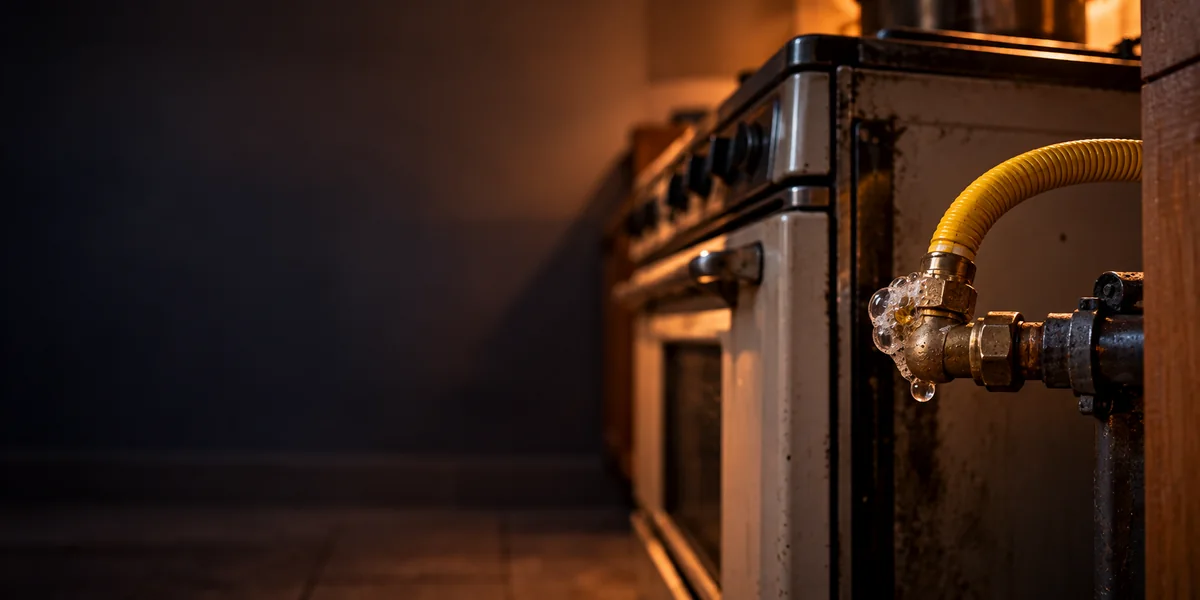
🚨 LIFE-SAFETY WARNING: If you smell gas (rotten eggs) right now, evacuate immediately, do not touch light switches or phones inside, and call 911 or your gas utility from a safe distance outside.
QUICK ANSWER: Yes, you can sue your landlord for a gas leak.
Natural gas and propane leaks are extreme life-safety emergencies. If your landlord ignored your complaints about a gas smell, a faulty furnace, or a leaking stove, you can break your lease immediately without penalty and sue in Small Claims or Civil Court to recover:
- Emergency Hotel & Relocation Costs: Full reimbursement for every night you were forced to stay elsewhere while the gas was shut off or the home was unsafe.
- A Pro-Rated Daily Rent Refund: A 35% to 100% daily rent rebate for every day you couldn't use your kitchen or lived without heat and hot water.
- Medical Bills & Health Damages: Compensation if chronic or acute gas exposure caused headaches, dizziness, nausea, carbon monoxide symptoms, or emergency room visits.
- Spoiled Groceries & Out-of-Pocket Expenses: Reimbursement for spoiled refrigerator food and takeout meals resulting from emergency utility shutoffs.
What to Know Before You Act
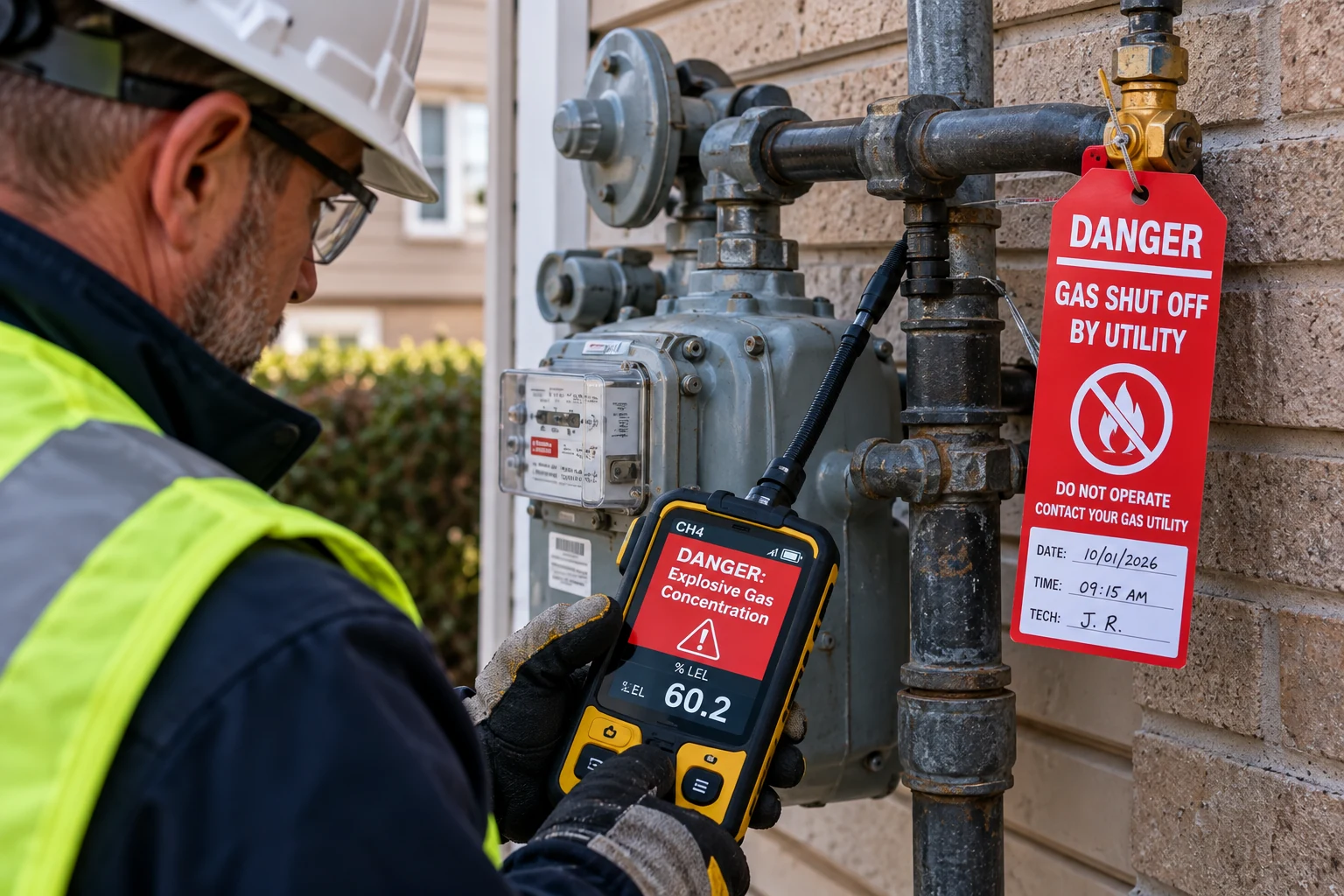
- The Gas Company "Red-Tag" Report Is Your Ultimate Proof: When the gas utility or fire department responds to a leak, they shut off the meter and leave a red warning tag. Getting a copy of that official incident report destroys any defense your landlord tries to make.
- You Can Break Your Lease Instantly (Constructive Eviction): A gas leak makes a home legally uninhabitable the moment it is detected. You do not have to wait 14 or 30 days—you can vacate immediately, terminate the lease, and demand your full security deposit back.
- Slow Pilot-Light Leaks Cause Chronic Illness: Not all gas leaks cause explosions; many are slow, unlit pilot leaks or cracked furnace heat exchangers that quietly leak natural gas and carbon monoxide for months, causing daily headaches, fatigue, and flu-like sickness.
- Landlords Are Strictly Liable for Main Gas Lines & Provided Appliances: If the gas leak came from the building's main supply pipe or a stove/furnace supplied with the apartment, the landlord is 100% responsible for the repair and resulting damages.
- Never Let Anyone Remove a Red-Tag Illegally: It is a serious safety violation and crime for a landlord or unlicensed handyman to tear off a utility company's Red-Tag and turn the gas back on without a professional plumbing/HVAC clearance test.
The Anatomy of a Gas Leak Lawsuit (What You Can Recover)
A natural gas or propane leak is not an ordinary maintenance delay. Under municipal fire codes and state housing statutes, maintaining gas-fired heating systems, cooking ranges, and fuel lines in a leak-free condition is a strict life-safety duty. When a landlord neglects a gas smell or fails to maintain gas infrastructure, they commit an immediate breach of the Implied Warranty of Habitability.
Unlike minor cosmetic issues, a gas leak presents an imminent explosion, fire, and toxicity hazard. Below is the comprehensive breakdown of the financial damages tenants are entitled to recover in court following a gas leak:
| Damage Category | What It Includes | Typical Recovery Amount | Legal Basis |
|---|---|---|---|
| 1. Emergency Hotel & Relocation Costs | Airbnb/hotel nights, mileage, temporary storage, and takeout meals while displaced by a gas shut-off. | 100% of receipts ($500 to $3,500+) | Breach of Implied Warranty of Habitability & Constructive Eviction |
| 2. Pro-Rated Rent Refunds | Refund for the days you could not cook, use your heater, or safely sleep in the apartment. | 35% to 100% of daily rent for affected days | Breach of Contract & Habitability |
| 3. Spoiled Food & Groceries | Refrigerator and freezer food thrown out when the gas utility shut off power/gas to the appliance. | $150 to $600 (supported by photos/receipts) | Property Damage Negligence |
| 4. Medical Bills & Health Claims | ER visits, urgent care copays, blood tests (carboxyhemoglobin), and prescriptions for gas/CO poisoning symptoms. | $1,000 to $50,000+ (via Landlord Liability Insurance) | Personal Injury Negligence. Also see our carbon monoxide guide. |
If your heating system was shut down as a result of the gas leak during winter, review your rights under our dedicated no-heat lawsuit guide and learn how local utility rules interact with emergency shutoffs in our utility shutoff guide.
How to Secure the #1 Piece of Evidence (The Gas Utility "Red-Tag")
When tenants take a landlord to court over a gas leak, landlords often attempt to downplay the crisis: "It was just a minor smell, the tenant panicked and overreacted." The single most powerful tool you have to silence that defense is the Gas Company Red-Tag Report.
What Is a Red-Tag Report?
When an emergency technician from your municipal gas utility (such as PG&E, ConEd, Atmos Energy, CenterPoint, SoCalGas, or National Grid) or the local Fire Department arrives on-site with a combustible gas indicator, they immediately test the air and gas supply connections.
If their instruments detect dangerous natural gas levels or a leaking appliance, safety regulations legally obligate the technician to shut off the gas valve and affix a heavy-duty, bright red or orange physical warning tag. This tag officially states that the equipment constitutes an active hazard and cannot be operated until repaired and cleared.
How to Secure Your Copy for Court:
- Photograph the Tag Immediately: Take clear, close-up photos of both sides of the physical Red-Tag attached to your furnace, water heater, stove, or exterior gas meter before anyone can touch it.
- Get the Technician's Incident Reference Number: Ask the responding technician for their name, employee badge number, and the official utility service work order number.
- Request the Written Utility Incident Report: Call your gas company's customer service or records division and request a complete copy of the Emergency Service Order & Inspection Findings for your address on that date.
A Critical Legal Warning: It is a misdemeanor and a severe housing violation for a landlord or maintenance worker to tear off a utility company's Red-Tag and reopen the gas valve without professional pressure-testing and municipal clearance. If your landlord removes a tag illegally, call 911 and the gas company immediately to report an unauthorized reconnection.
Slow Pilot-Light Leaks & Chronic Gas Poisoning (The Silent Hazard)
Not every gas leak produces an immediate roar or explosive concentration. In thousands of rental units, tenants suffer from chronic, low-level gas exposure caused by micro-fissures in aging iron pipes, loose valve fittings behind vintage stoves, or cracked furnace heat exchangers.
Recognizing the Symptoms of Low-Level Gas Exposure:
Because natural gas is naturally odorless and colorless, utility companies add mercaptan (which smells like sulfur or rotten eggs). However, during very slow leaks, the odor can be faint or masked by everyday household smells.
Tenants living with slow leaks frequently experience:
- Dull, throbbing morning headaches that gradually clear up after an hour at work;
- Persistent dizziness, lightheadedness, and difficulty concentrating ("brain fog");
- Unexplained nausea, loss of appetite, or recurring flu-like symptoms;
- A noticeable pattern where health symptoms vanish whenever you spend a weekend away from your apartment.
How to Detect and Prove a Slow Gas Leak:
If you suspect a slow leak, you do not have to wait for management to take you seriously:
-
Purchase an Electronic Gas Detector: Inexpensive combustible gas sniffers ($30 to $50 on Amazon or at hardware stores) detect trace parts-per-million of methane, propane, and natural gas. Record a video of the detector beeping near your stove or furnace burners.
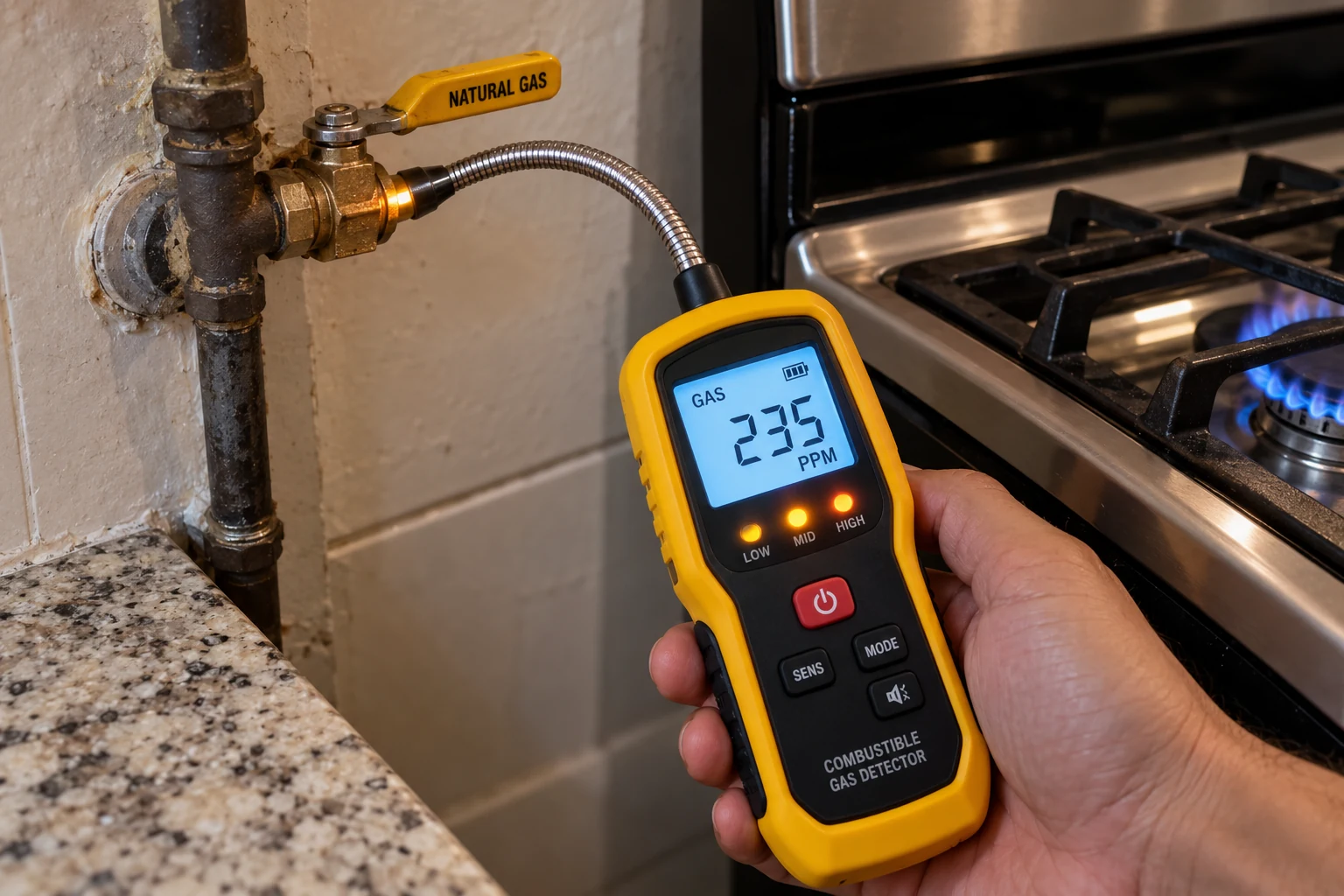
Combustible Gas Detection: An electronic gas sniffer displaying parts-per-million (PPM) readings provides objective scientific proof of active gas leaks from aging pipe valves or furnace fittings. - Request a Free Utility Gas Sniffer Inspection: Municipal gas utilities provide free emergency leak checks 24/7. When the technician sweeps the room with a calibrated electronic sniffer, their device will register hidden leaks inside wall voids or appliance cabinets.
- Seek Medical Evaluation: If you have experienced prolonged exposure, visit an Urgent Care or ER and request a blood test (carboxyhemoglobin) to rule out toxic gas inhalation or concurrent carbon monoxide poisoning.
Can You Break Your Lease Immediately for a Gas Leak?
Under normal circumstances, tenants who want to break a lease must provide formal written notice and give the landlord 14 to 30 days to complete repairs. A dangerous gas leak is an immediate exception to this rule.
The Mechanics of Emergency Constructive Eviction:
Under the established common law doctrine of Constructive Eviction, a landlord's failure to maintain basic life-safety infrastructure renders the premises legally uninhabitable. Because breathing explosive or toxic gas poses an immediate threat to human life, the law does not require you to sleep in a hazardous apartment while waiting for an appointment.
When a gas leak is confirmed by the fire department, gas utility, or an official Red-Tag:
- You have the legal right to vacate the apartment immediately;
- The landlord cannot charge you early lease termination fees or penalize your credit;
- The landlord must return 100% of your security deposit within the statutory deadline;
- You can sue in Small Claims Court for emergency moving expenses, temporary hotel bills, and storage unit costs under unsafe living conditions standards.
The Correct 3-Step Lease Termination Protocol:
- Secure the Red-Tag or Incident Report: Have your utility work order or fire department run sheet in hand before vacating.
- Deliver Formal Notice of Constructive Eviction: Send written notice stating that the presence of an active gas leak has rendered the dwelling legally uninhabitable, terminating the tenancy immediately.
- Return Keys and Demand Deposit: Hand over the keys, conduct a video walk-through, and demand return of your security deposit and pro-rated rent within your state's statutory timeline (typically 14 to 30 days).
Ready-to-Send Gas Leak Emergency Notice & Demand Letters
Whether you need to force management to send a licensed gas-certified plumbing/HVAC contractor immediately or terminate your lease and demand your deposit back, written documentation is essential.
Select the tab below that matches your situation, replace the bracketed placeholders with your details, and click Copy Letter to Clipboard or Download .TXT.
How Much Compensation Can You Recover for a Gas Leak?
When taking legal action in Small Claims Court or Housing Court, financial recovery is calculated using established statutory remedies, documented out-of-pocket expenses, and rent reduction standards:
| Recovery Category | Calculation Standard | Statutory Authority & Limits |
|---|---|---|
| 1. 100% Emergency Hotel & Meal Lodging | Full reimbursement for hotel lodging, pet boarding, and per diem restaurant dining for every day utility technicians red-tagged the gas line. | Uninhabitable apartment doctrine. |
| 2. Full Habitability Rent Abatement | Complete refund of monthly rent for all days heating, hot water, or cooking appliances were completely shut down by gas service interruptions. | Statutory warranty of habitability. |
| 3. Medical Bills & Toxic Exposure Damages | ER visits, neurological evaluations for dizziness or nausea, and burn trauma treatment in cases of flash fire ignition. | Tort premises liability damages. |
Small Claims Filing Limits: Most tenants resolve these matters pro se (without a lawyer) in Small Claims Court. Maximum claim limits vary by state: for example, $12,500 in California (California Courts Self-Help), $10,000 in New York City (NY Courts Small Claims), and $20,000 in Texas (Texas Judicial Branch). If damages exceed local small claims thresholds, lawsuits proceed to standard Civil Court.
Frequently Asked Questions About Gas Leak Lawsuits
What should I do immediately if I smell gas in my apartment?
Evacuate all people and pets outside immediately, do not turn on lights or appliances, do not use your phone inside the apartment, and call 911 or your local gas utility from a safe distance outside.
Can I break my lease without a penalty if my apartment had a gas leak?
Yes—a gas leak creates an immediate life-safety hazard that breaches the implied warranty of habitability. You can vacate immediately, terminate your lease, and demand your security deposit and moving/hotel costs back.
What is a gas utility "Red-Tag" and why is it important in a lawsuit?
A Red-Tag is the official warning label placed on a dangerous, leaking gas appliance by a utility technician or firefighter. That tag and the utility's service report serve as objective, unarguable proof in court that the landlord's equipment was defective and leaking flammable gas.
Who pays for the hotel room if a gas leak forces us out of our apartment?
If the gas leak was caused by aging landlord equipment, a faulty furnace, or deferred maintenance, the landlord is legally responsible for your temporary housing costs—either through direct reimbursement or via Small Claims Court recovery.
Can I sue my landlord if the gas leak made me sick?
Yes—if you experienced carbon monoxide or natural gas poisoning symptoms (headaches, dizziness, nausea) and sought medical treatment at an urgent care or ER, you can file a personal injury claim against the landlord's commercial liability insurance policy.
SueLegal is an independent educational legal publisher, not a law firm or lawyer referral service. The information provided in this guide is for general informational and educational purposes only and does not constitute formal legal advice. Residential landlord-tenant laws, repair notice periods, and statutory remedies vary significantly across state and municipal jurisdictions. If you are facing eviction, severe uninhabitable conditions, or complex litigation, consult a licensed attorney in your jurisdiction or contact your local legal aid organization. For more details on our standards, read our Editorial Policy and Legal Research Methodology.